Scaffold Safety Signs Your Job Site Is Unsafe
Signs Your Job Site Scaffolding Is Unsafe

Unsafe scaffolding does not always look dramatic. Sometimes the warning signs are loose planks, missing guardrails, leaning frames, or workers avoiding one side of the structure because it does not feel stable.
For contractors and site supervisors in Boston, scaffold safety is not something to check only once at setup. Weather, heavy use, material loading, and daily job site activity can all create new hazards after the scaffold is already in place.
Knowing what to look for can help prevent delays, injuries, and costly shutdowns. When something feels off, a professional inspection can confirm whether the structure is safe to use or needs immediate correction.
What visible signs show scaffolding may be unsafe?

A scaffold should look stable, level, and properly supported. If it appears shifted, patched together, or incomplete, treat that as a warning sign. Small visual issues can point to larger scaffolding hazards that need attention before work continues.
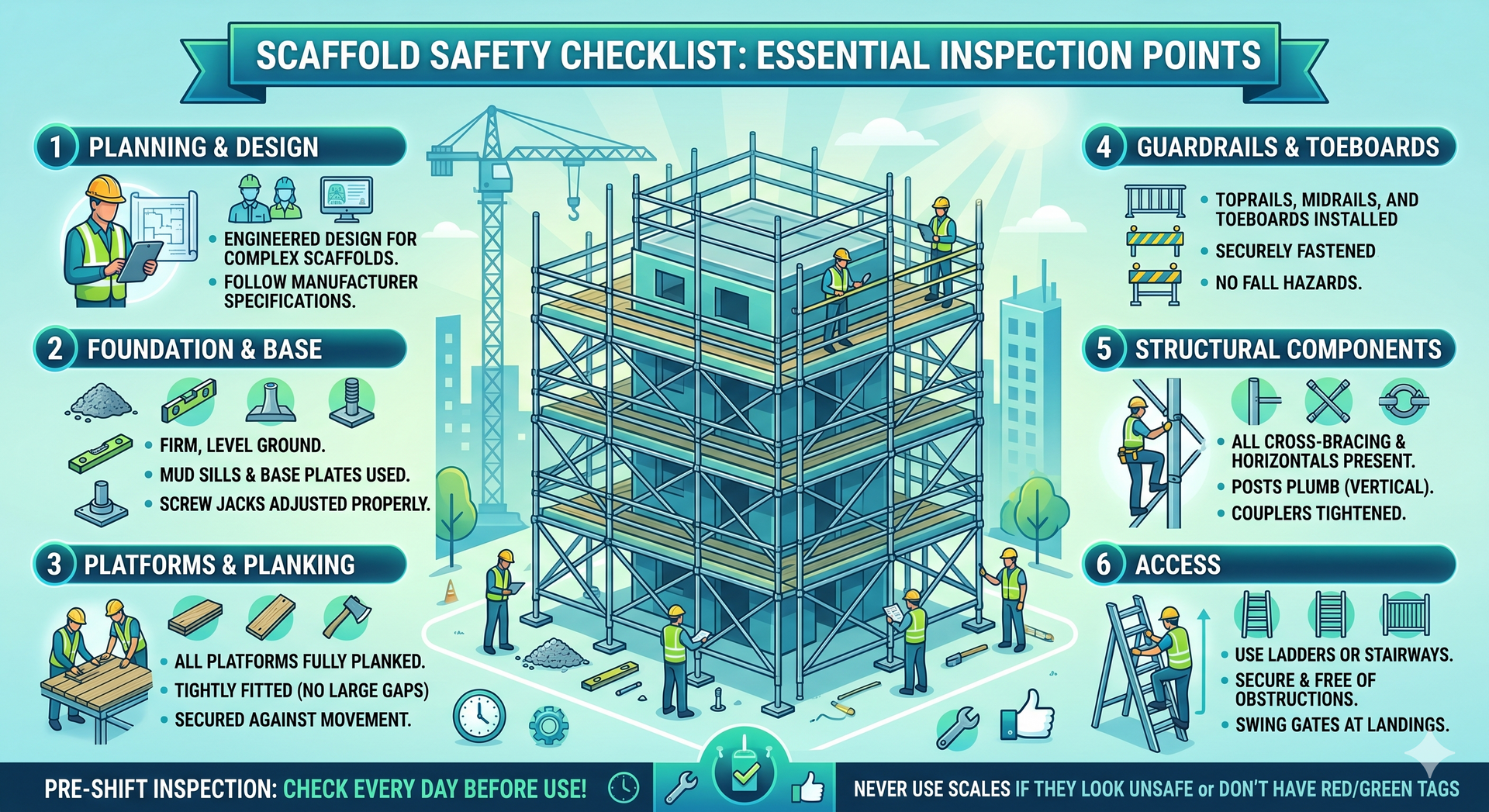
Missing guardrails, toe boards, or access points
Guardrails and toe boards are basic fall protection features. If they are missing, damaged, or loosely attached, workers are exposed to unnecessary risk.
Safe access is just as important. Crews should not have to climb cross braces, frames, or unstable surfaces to reach the work area. If your access setup is not clear or secure, consider reviewing your scaffold installation in Boston, MA before the next phase of work begins.
Uneven platforms or loose planks
Platforms should sit flat and remain secure under normal movement. Loose, warped, cracked, or bouncing planks are signs that the scaffold should not be ignored.
These issues can create trip hazards and increase the chance of falls. They can also indicate poor fit, improper loading, or shifting supports beneath the platform.
Leaning frames or unstable bases
A scaffold that leans, rocks, or shifts under pressure needs immediate review. Base plates, mudsills, and leveling components must be properly placed for the structure to remain stable.
Boston job sites often deal with tight spaces, uneven ground, and changing site conditions. That makes base stability especially important from the first day of setup through dismantling.
How do job site conditions create scaffold safety risks?
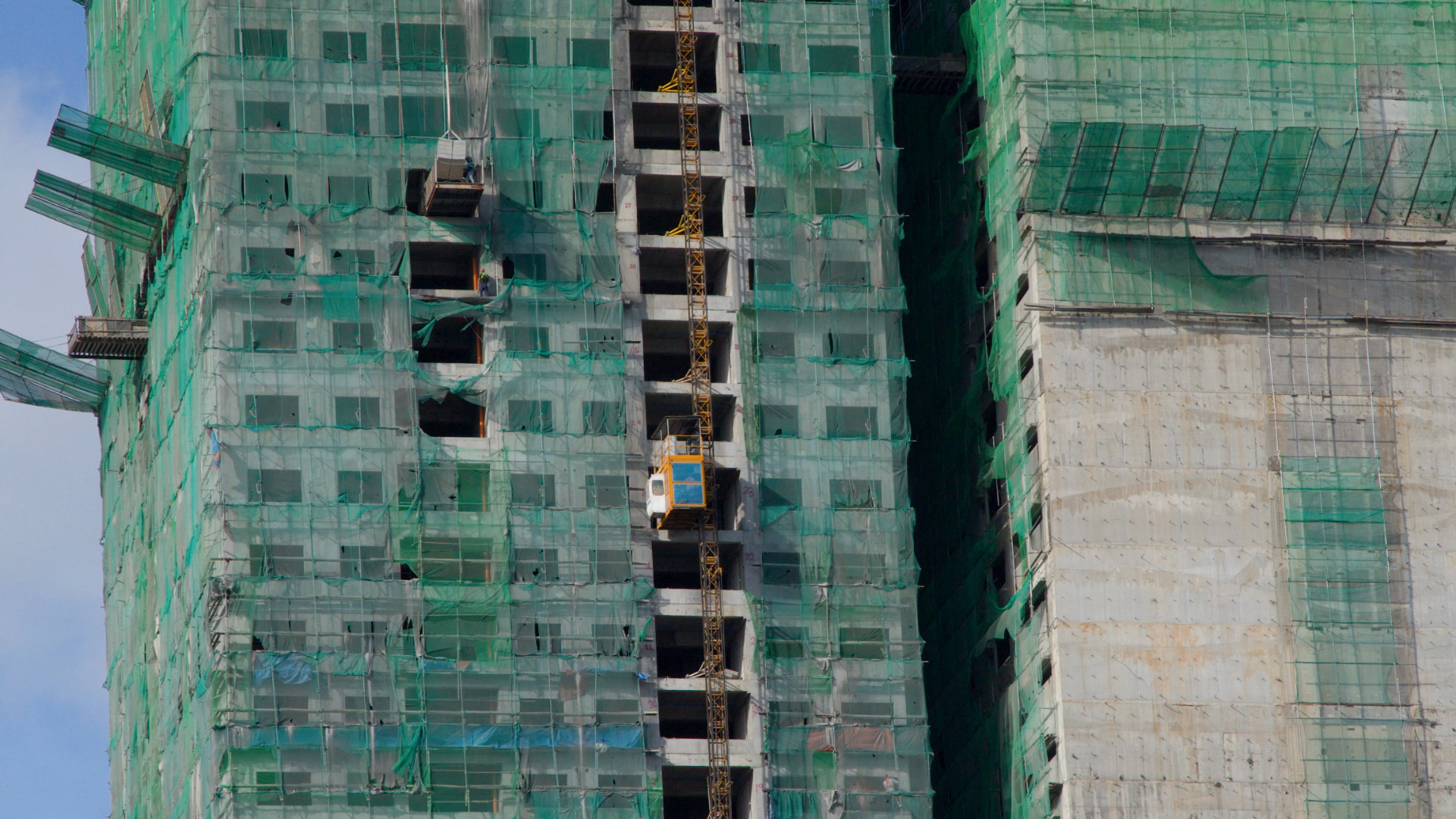
Even a properly installed scaffold can become unsafe if site conditions change. Supervisors should look at the structure in context, not just as a standalone piece of equipment.
Weather exposure can weaken safe conditions
Wind, rain, snow, and ice can all affect scaffold safety. Wet platforms increase slip risks, while strong winds can strain tarps, debris netting, and suspended components.
After severe weather in Boston, a scaffold should be checked before regular work resumes. If tarp systems or debris protection are part of the setup, tarp and debris netting in Boston, MA should be reviewed to make sure they are still secure.
Overloading the scaffold creates avoidable danger
Scaffolds are designed for specific load limits. When workers, tools, equipment, and materials exceed those limits, the structure can become unstable.
A common issue is using the platform as storage. Materials should be organized and limited to what is needed for the task, especially on upper levels.
Nearby equipment can damage scaffold components
Forklifts, lifts, trucks, dumpsters, and delivery vehicles can strike scaffold frames or supports. Even a minor impact can loosen connections or shift the structure.
These job site risks are easy to miss during a busy workday. A supervisor should inspect the scaffold after any contact, vibration, or suspected impact.
When should contractors schedule a scaffold inspection?
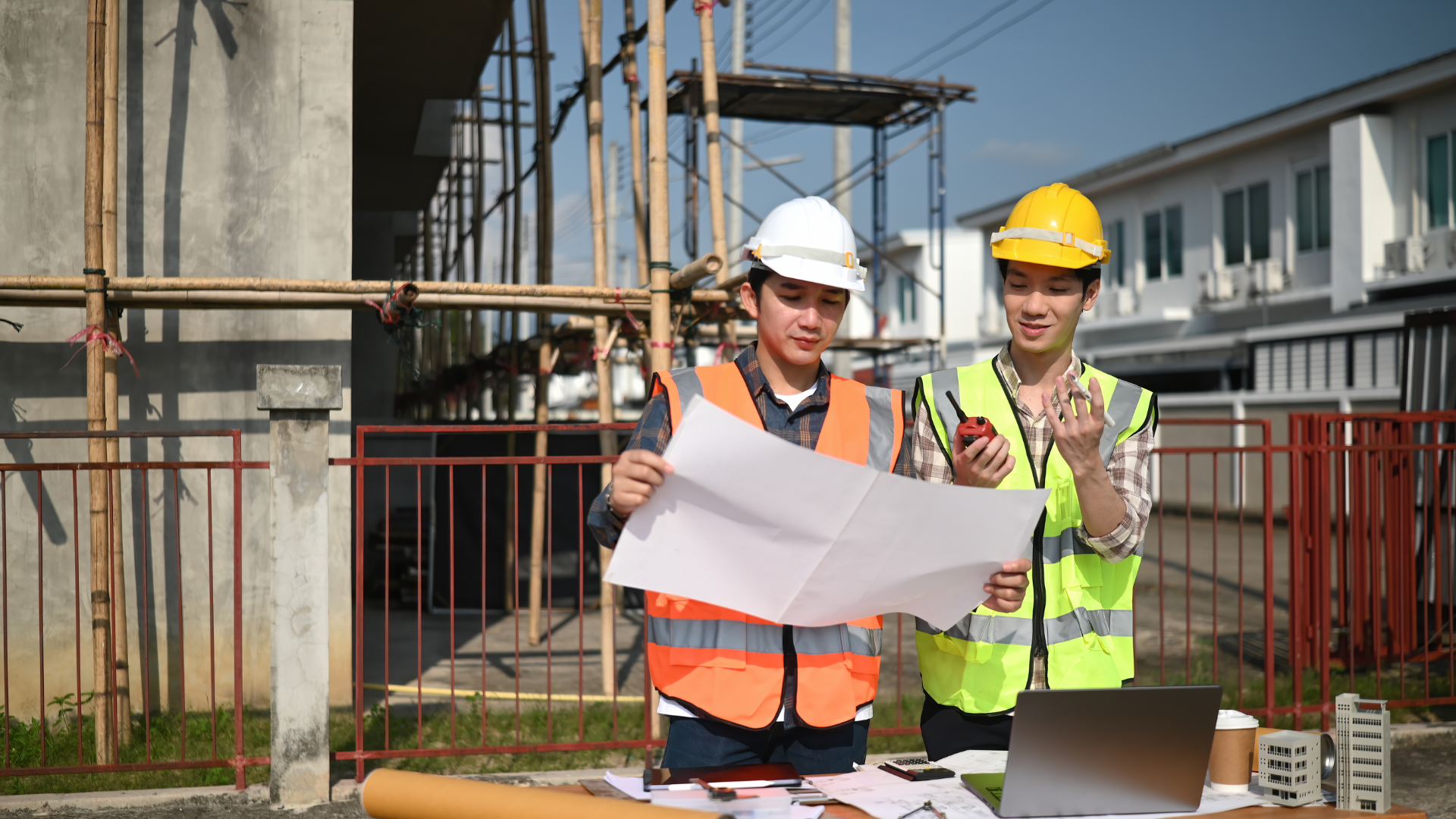
Inspections should happen before use, after changes, and whenever safety is in question. Waiting until there is a visible failure puts crews and schedules at risk.
Before workers use the scaffold
A pre-use inspection helps confirm that the scaffold is properly erected, supported, accessed, and protected. This is especially important on multi-trade job sites where several crews may use the same structure.
If the scaffold was recently rented or moved, the setup still needs to match the site conditions. Contractors using scaffold rental in Boston, MA should make sure the equipment is installed and inspected for the actual work being performed.
After modifications or added work areas
Scaffolding often changes as a project moves forward. Sections may be raised, extended, enclosed, or adjusted around building details.
Any change can affect stability, load distribution, or access. That is why inspections should follow major adjustments, not just the original installation.
When workers report movement or concern
Crew feedback matters. If workers say the scaffold feels unstable, shakes more than expected, or has an area they avoid, stop and investigate.
A concern does not need to be dramatic to be valid. Many serious scaffolding hazards start as small issues that someone noticed but did not report.
What parts of a scaffold should be checked closely?
A good inspection looks beyond the surface. It checks the parts that keep the scaffold stable, usable, and safe under real job site conditions.
Supports, braces, and connections
Frames, braces, couplers, pins, and locking parts must be in place and properly secured. Missing or mismatched parts can weaken the entire system.
If the scaffold is supporting nearby structural work or temporary stabilization, shoring and bracing services in Boston, MA may also need review. Support systems should be matched to the load and site conditions.
Work platforms and walking surfaces
Platforms should be clear, stable, and wide enough for the task. Debris, cords, tools, and loose materials can quickly turn a safe platform into a hazard.
Walking surfaces should also be checked for gaps. Open spaces between planks or near the building can create fall risks and dropped-object hazards.
Access, height changes, and fall protection
Ladders, stair towers, and access points should be secure and placed where workers can move safely. Poor access often leads to shortcuts, and shortcuts lead to accidents.
For taller or more active sites, stair tower installation in Boston, MA can help improve movement between levels. Safer access supports better workflow and reduces climbing risks.
Why scaffold safety matters on Boston job sites
Boston construction sites often involve older buildings, narrow streets, active sidewalks, changing weather, and limited staging areas. These conditions can increase job site risks and make scaffolding hazards harder to manage without regular inspections. Whether the project is commercial, industrial, or residential, scaffold safety helps protect workers, pedestrians, property, and the project schedule.
Call Lanco Scaffolding Inc for a scaffold inspection
If your job site scaffolding looks unsafe or has not been checked after changes, call Lanco Scaffolding Inc at 617-623-0060. Our team can inspect the structure, identify safety concerns, and help you take the right next step before work continues.
Frequently Asked Questions
How often should scaffolding be inspected?
Scaffolding should be inspected before use and after any event that could affect safety. This includes weather, modifications, impacts, or changes in loading. Contractors should also make scaffold checks part of daily site routines.
What are the most common scaffolding hazards?
Common scaffolding hazards include missing guardrails, unstable bases, loose planks, poor access, overloading, and damaged components. Weather exposure and nearby equipment impacts can also create serious risks. These issues should be corrected before crews continue working.
Who is responsible for scaffold safety on a job site?
Site supervisors, contractors, and qualified scaffold professionals all play a role. The company controlling the work must make sure the scaffold is safe for use. Workers should also report anything that looks unstable, damaged, or incomplete.
Should scaffolding be inspected after bad weather?
Yes. Rain, wind, snow, and ice can affect stability, access, and walking surfaces. After severe weather in Boston, the scaffold should be checked before workers return to elevated areas.
When should I call a scaffold safety professional?
Call a professional when the scaffold has visible damage, movement, missing parts, unsafe access, or recent modifications. You should also call if workers report concerns. A timely inspection can prevent a small issue from becoming a larger job site problem.
Unsafe scaffolding should never be treated as a minor inconvenience. If something looks loose, uneven, overloaded, or poorly supported, stop and have it checked. For scaffold safety inspections in Boston, contact Lanco Scaffolding Inc at 617-623-0060 and get your job site reviewed before the risk grows.